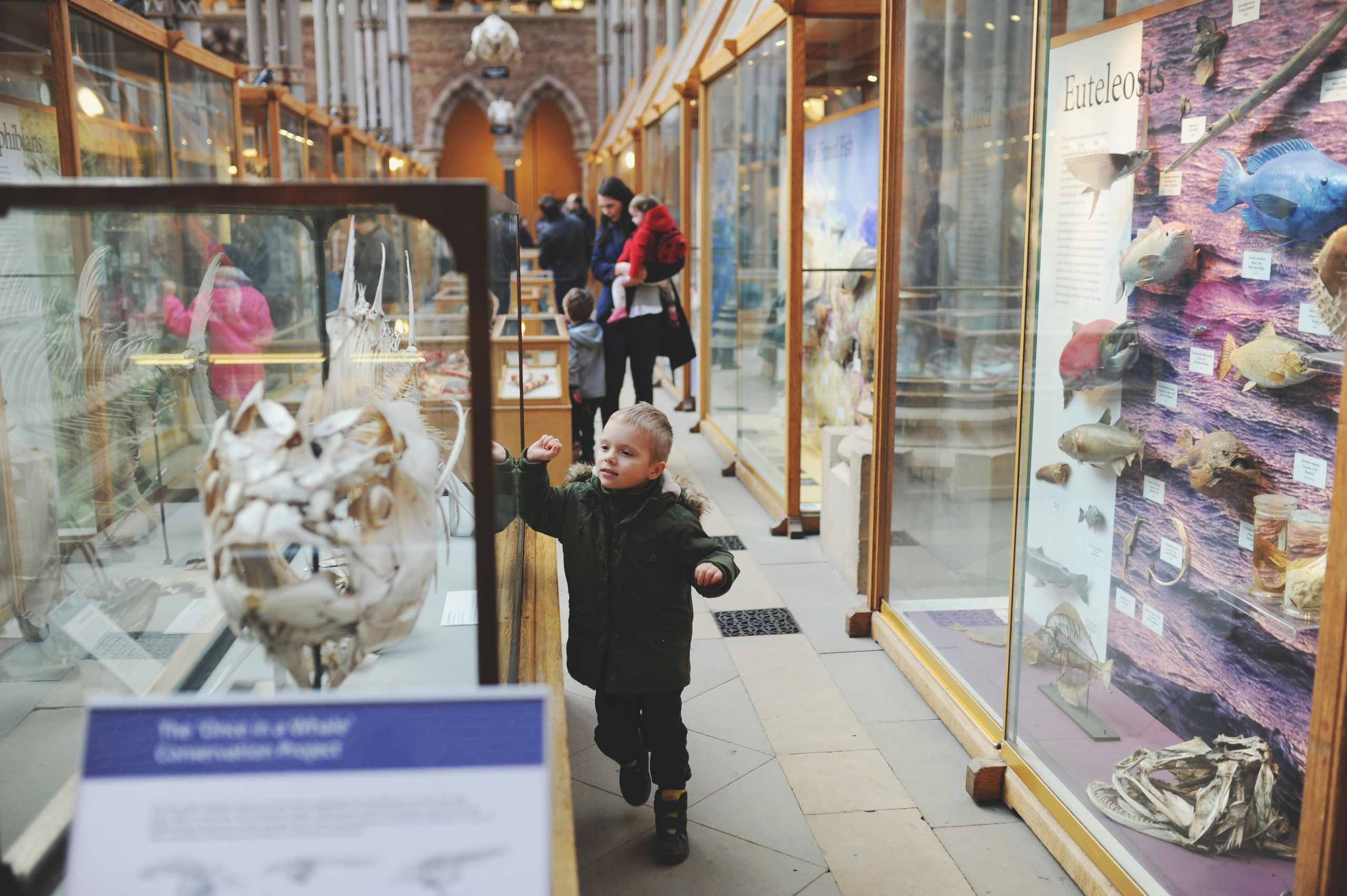
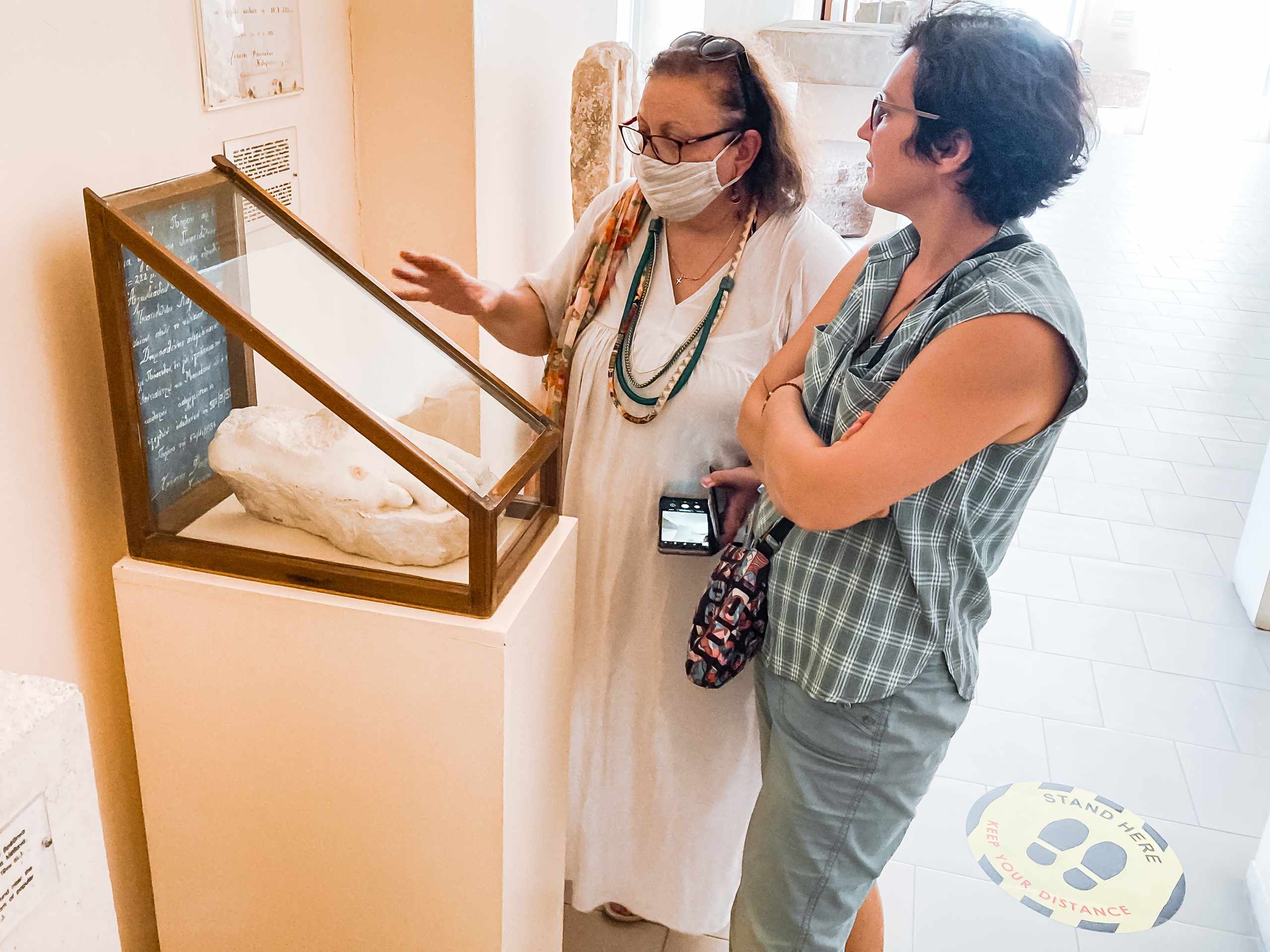
Museum work begins with careful looking.
MuseumPath approaches collections through observation, documentation, object care, interpretation, and the choices that shape a visitor’s understanding.
Three principles behind every exercise.
Observe Before Interpreting
Describe materials, dimensions, construction, marks, and condition before adding assumptions about an object’s history or meaning.
Document For Traceability
Keep accession numbers, catalog records, photographs, condition notes, and location details connected through a consistent process.
Care Before Intervention
Notice handling and environmental risks while learning why cleaning, repair, and conservation treatment require specialist judgment.
Small exercises, careful decisions.
Practice begins with familiar objects, photographs, sample records, and gallery plans rather than unsupervised work with museum collections.
Each exercise isolates one task: writing a neutral description, completing a catalog record, checking a handling setup, or shortening a wall label.
The tasks then connect. Object records support collection care, reliable research supports interpretation, and display choices affect both accessibility and visitor movement.
Examine visible features and separate details from unanswered questions.
Organize names, materials, dimensions, photographs, condition, and consistently.
Use reliable context to shape focused labels and coherent exhibition narratives.
Check accuracy, object care, accessibility, display sequence, and visitor understanding.
Questions before your first object study?
Museum practice from connected viewpoints.
Collections
Catalog records, accession numbers, condition notes, object photography, storage support, and location tracking.
Exhibitions
Curatorial themes, object selection, display sequence, wall labels, visual hierarchy, and responsible interpretation.
Visitors
Audience needs, readable captions, accessible information, visitor routes, cultural context, and clear gallery experiences.