MUSEUM WORK, OBJECT BY OBJECT.
A practical introduction to documenting collections, planning exhibitions, caring for objects, and shaping clear visitor experiences.


Five areas. One connected practice.

OBJECT STUDY · DESCRIPTION

CATALOGING · DOCUMENTATION
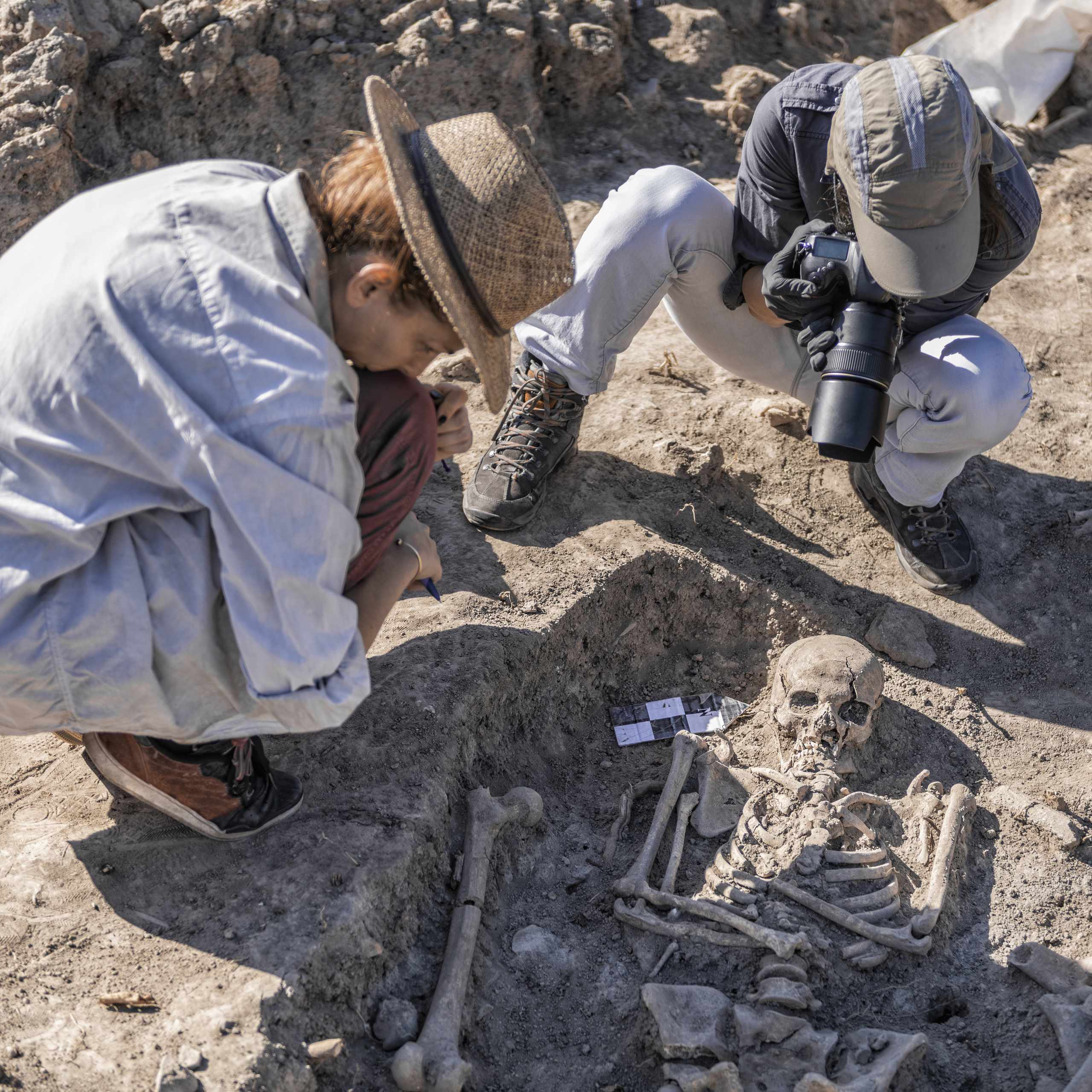
COLLECTION CARE · HANDLING

EXHIBITIONS · INTERPRETATION
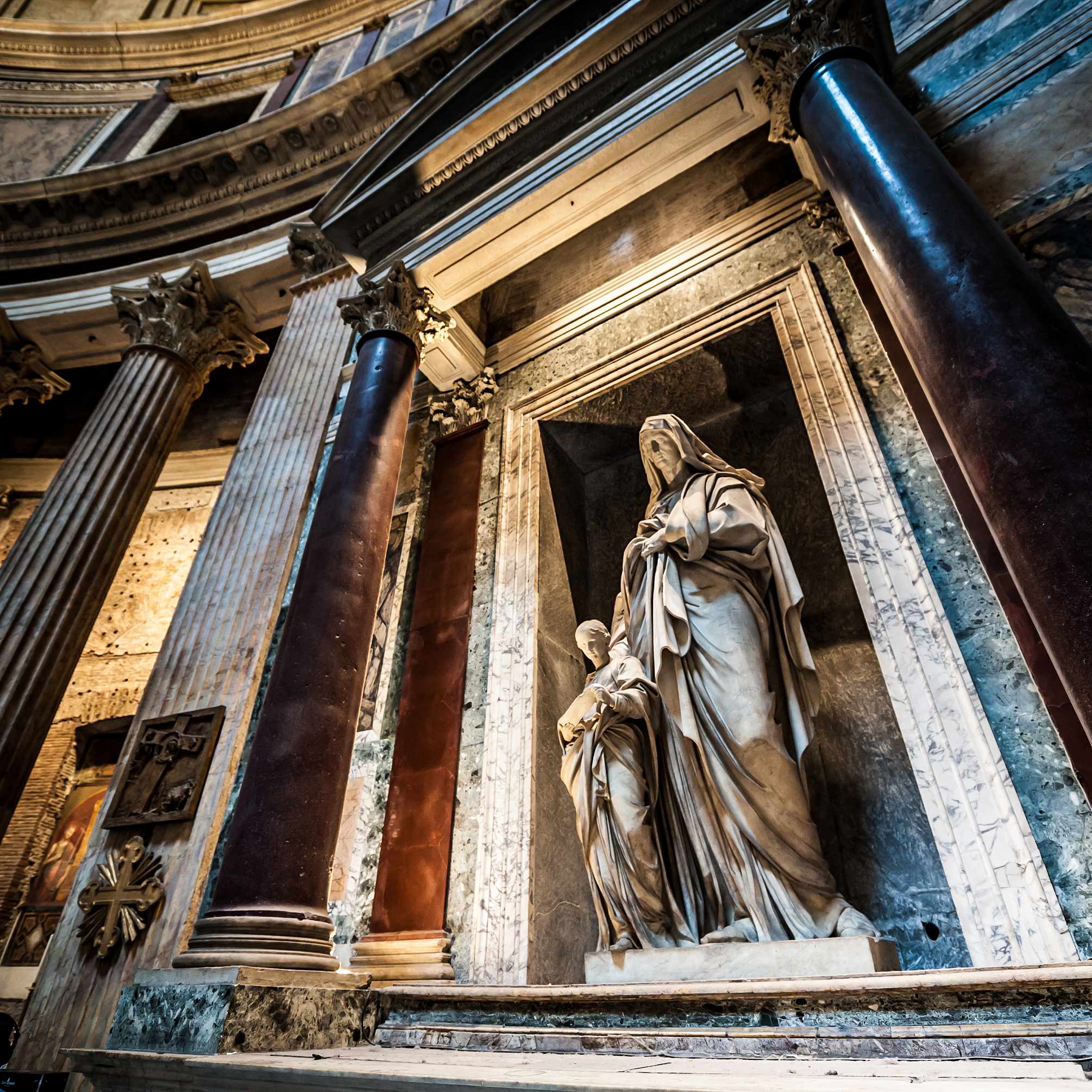
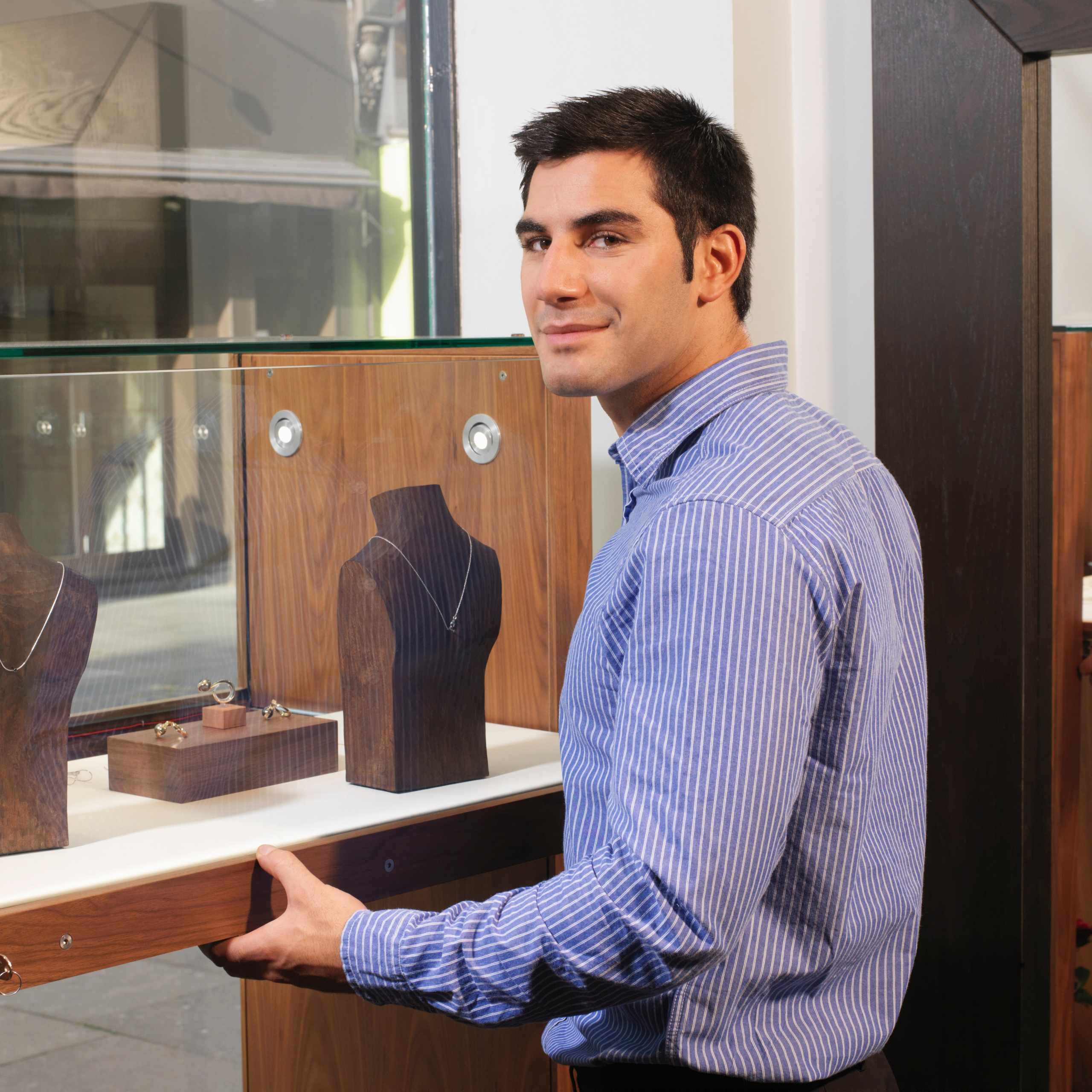
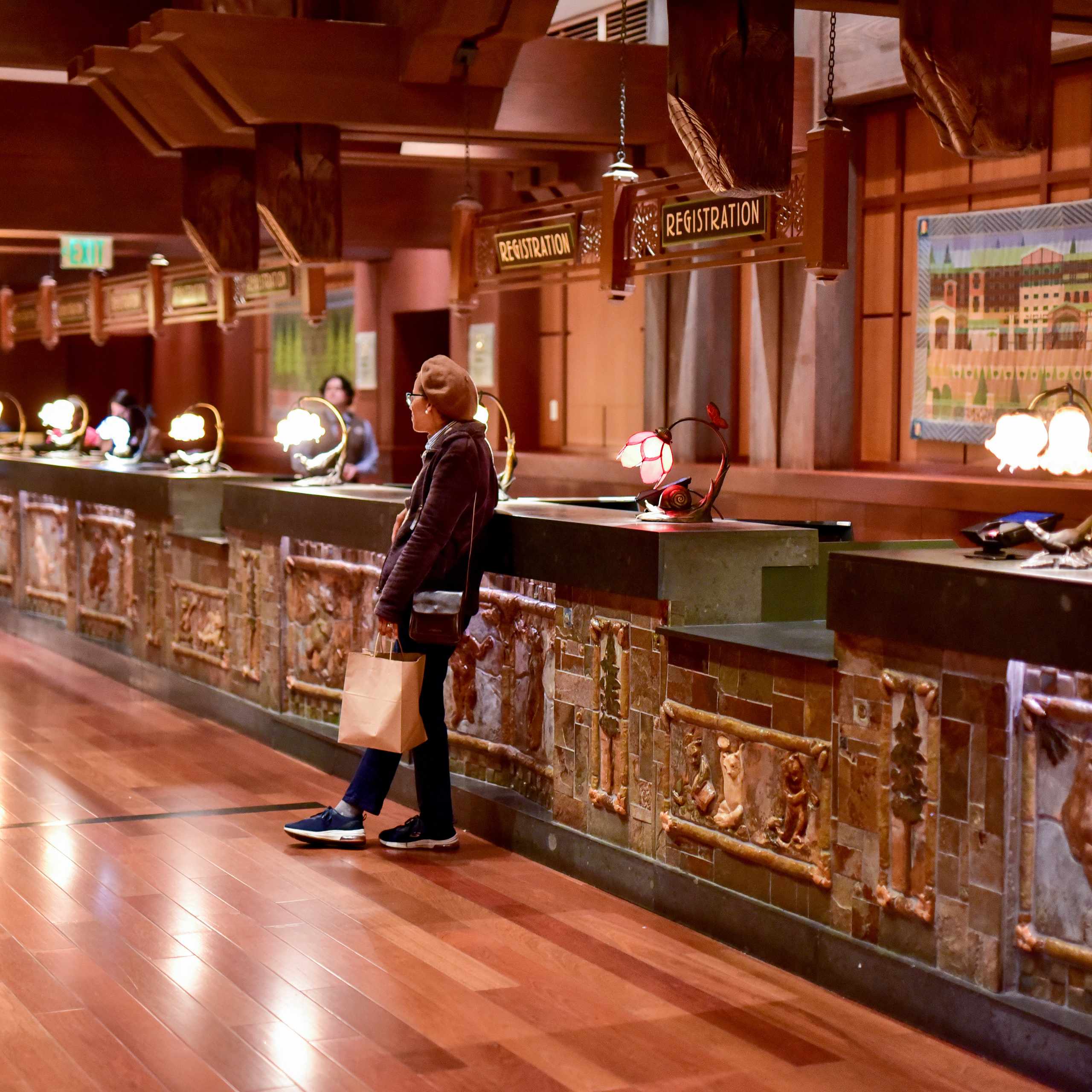
VISITOR ROUTES · ACCESSIBILITY
Record first. Interpret carefully.
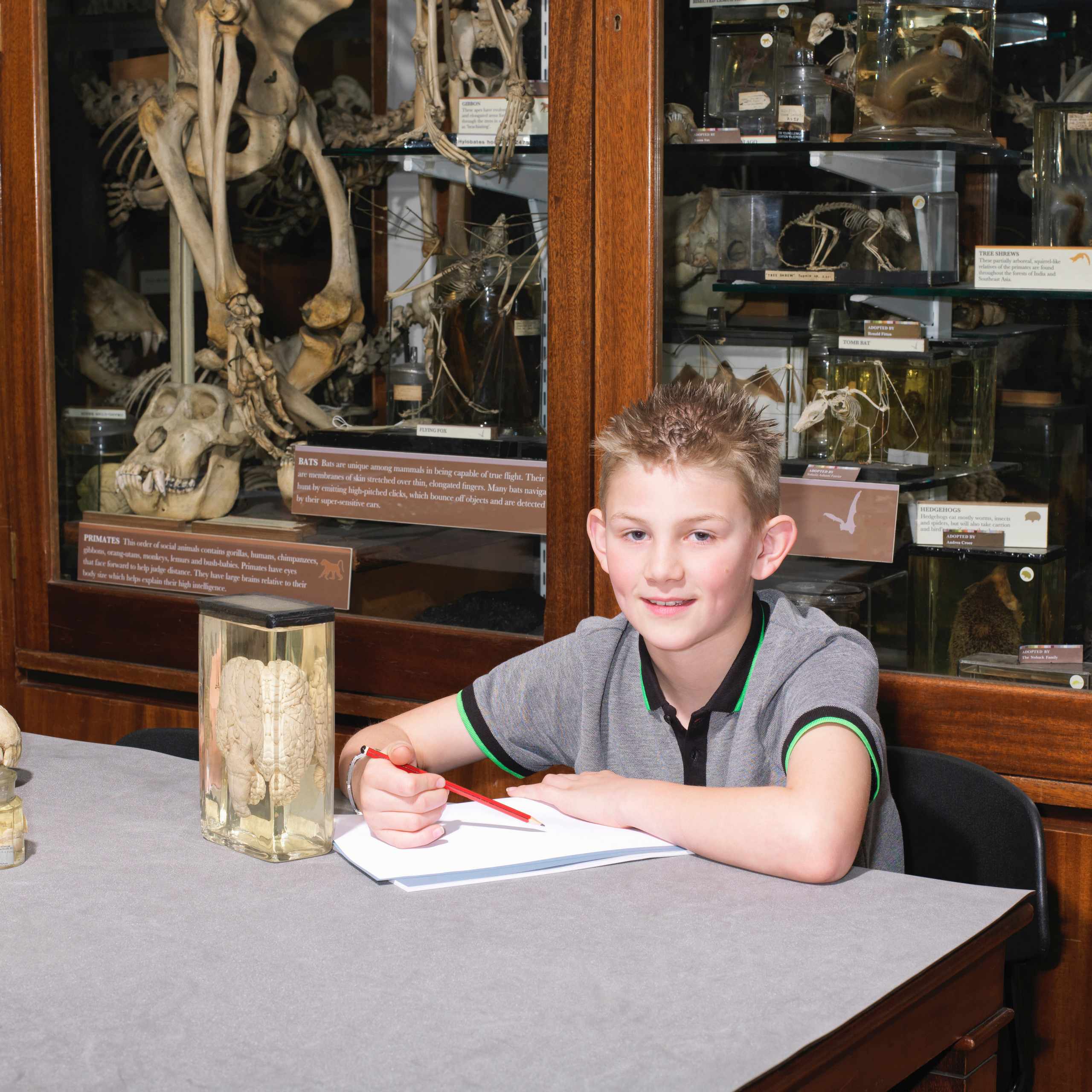
Museum work begins with close observation. You practice separating visible facts from assumptions before adding object history, provenance, or cultural meaning.
Small exercises use personal objects, photographs, sample records, and gallery plans, so you can study museum processes without handling collection material unsupervised.
Connect each accession number with its catalog record, photograph, condition note, and current location.
Choose details that support a clear exhibition theme, then write labels that visitors can understand without specialist language.
Check the surface, support, route, light exposure, dust, and humidity risks before moving or displaying an object.
Look closely. Record clearly.
A careful process from object to exhibition.
Observe
Study materials, dimensions, construction, marks, and condition without guessing what they mean.
Document
Build a catalog record with consistent names, measurements, photographs, and location details.
Interpret
Select reliable context and shape it into a focused object caption or exhibition narrative.
Review
Check object care, label clarity, display sequence, accessibility, and the visitor route.
I used to mix description with assumptions. The object-record exercises helped me slow down, note what I could actually see, and write a much clearer catalog entry.